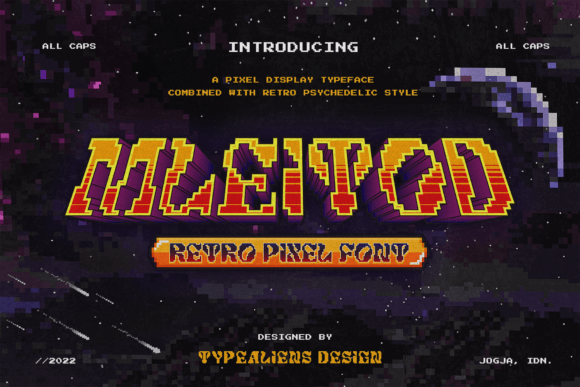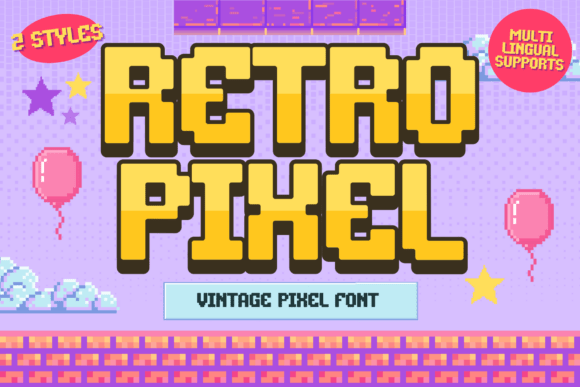
Minecroft 2.0: Retro Pixel Font for Modern Creators
If you’ve spent any time scrolling through design inspiration or browsing for the perfect typeface for a new project, you know the feeling: you need something that grabs attention, feels familiar yet fresh, and carries a specific energy. That’s exactly where Minecroft 2.0 comes in. This isn’t just another pixel font; it’s a carefully crafted display typeface that channels the bold, nostalgic vibe of classic gaming and retro digital aesthetics, updated for today’s creative demands. Whether you’re building a brand, launching a product, or designing a piece of merchandise, this font has a distinct personality that can make your work stand out.
A Typeface with Character and Clarity
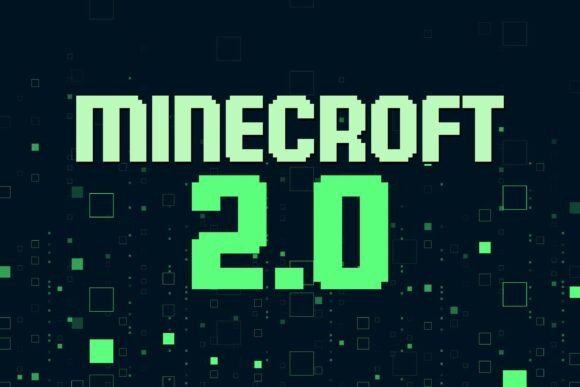
What makes Minecroft 2.0 visually compelling? It starts with its bold, blocky forms rooted in pixel art, but refined with a modern sensibility. Each of its 96 glyphs and 95 characters is designed to be immediately recognizable, striking a balance between that beloved retro-digital look and practical readability. The font carries an energetic, slightly playful atmosphere without sacrificing the strength needed for impactful headlines. It’s the kind of typeface that doesn’t just sit on a page—it communicates a mood, instantly evoking memories of arcade screens and early computer graphics while feeling perfectly suited for contemporary projects.
This strong visual identity makes it a fantastic creative font for projects where first impressions matter. Think about movie titles that need a touch of sci-fi or adventure, cartoon logos that want to feel dynamic and fun, or game branding that aims to connect with an audience who appreciates classic aesthetics. Its pixel-art vibe is authentic, not a cheap imitation, which is crucial for designers and creators who value quality in their design assets.
From Screen to Print: Practical Applications
The real test of any premium font is how it performs in the real world. Minecroft 2.0 shines across a wide range of applications, proving its versatility beyond just digital screens. For branding and logo design, it offers a distinctive mark that can help a business or a personal brand stand out in a crowded market. A tech startup, an indie game studio, a retro-themed café, or a clothing line targeting gamers could build a powerful brand identity around this typeface.
Consider its use in packaging design. A product box featuring Minecroft 2.0 for its headline immediately signals a specific aesthetic—think retro snack brands, specialty electronics, or even board games. On social media graphics, its bold structure ensures your posts catch the eye in a fast-scrolling feed, making it ideal for announcements, quotes, or promotional banners. For websites and blogs, it works beautifully as a headline font, guiding the reader’s eye and establishing the site’s tone before they even read the first paragraph of body text.
Don’t limit it to the digital realm. This font translates exceptionally well to print materials. Posters for gaming events, music festivals, or movie screenings gain an instant retro-cool factor. Merchandise like T-shirts, hats, and stickers can leverage its nostalgic appeal, creating products that people want to wear and share. Even for more formal projects like invitations to a themed party or editorial layouts in a magazine focused on pop culture, Minecroft 2.0 adds a layer of engaging visual interest that a standard serif or sans serif font might lack.
Integrating Minecroft 2.0 into Your Design Workflow
Choosing a font is just the first step; knowing how to use it effectively is what separates good design from great. Here’s some practical advice for incorporating Minecroft 2.0 into your projects. First, always consider the project’s goal. This is a display font, meaning it’s built for impact at larger sizes—think headlines, titles, and logos. It’s not intended for long paragraphs of body copy. For that, you’ll want to pair it with a highly readable sans serif or serif font. A clean, simple sans serif often makes an excellent companion, letting Minecroft 2.0 handle the visual punch while the secondary font ensures comfortable reading.
Test your font pairings thoroughly. Place your headline in Minecroft 2.0 and your body text in a font like Open Sans or Lato. See how they interact visually. Do they complement each other, or does one overpower the other? The goal is harmony and hierarchy. Also, pay close attention to readability in context. While the characters are clear, the pixel style can become challenging at very small sizes or in low-contrast color combinations. Always test your designs at their intended viewing size and environment.
Before you start, review what’s included. Minecroft 2.0 comes with a specific set of glyphs and characters, so ensure it has everything you need for your project, such as specific punctuation or numerals. Finally, and crucially for any commercial project, understand the licensing. If you’re using Minecroft 2.0 for a client’s logo, on merchandise for sale, or in a digital product, you need to ensure you have the correct commercial license. This protects you and your client and is a professional standard in the industry.
Elevating Your Visual Communication
In a world saturated with visual content, the typography you choose is a silent ambassador for your project. A font like Minecroft 2.0 does more than spell out words; it conveys a theme, an era, and an attitude. By using a typeface with such a strong, cohesive personality, you can improve visual consistency across all your materials—from your website header to your social media posts to your printed flyers. This consistency builds brand recognition, as your audience begins to associate that distinct pixel-art style with your work.
Ultimately, the right font is a tool for connection. Minecroft 2.0 connects with an audience that appreciates gaming culture, retro design, and bold creativity. It helps your designs feel more professional and intentional, which in turn can boost audience engagement. People are drawn to visuals that tell a story or evoke a feeling, and this typeface is built to do exactly that. Whether you’re a designer crafting a full brand identity, an entrepreneur creating packaging for your new product, or a hobbyist making custom T-shirts for friends, it offers a powerful way to inject energy and nostalgia into your visual communication.